
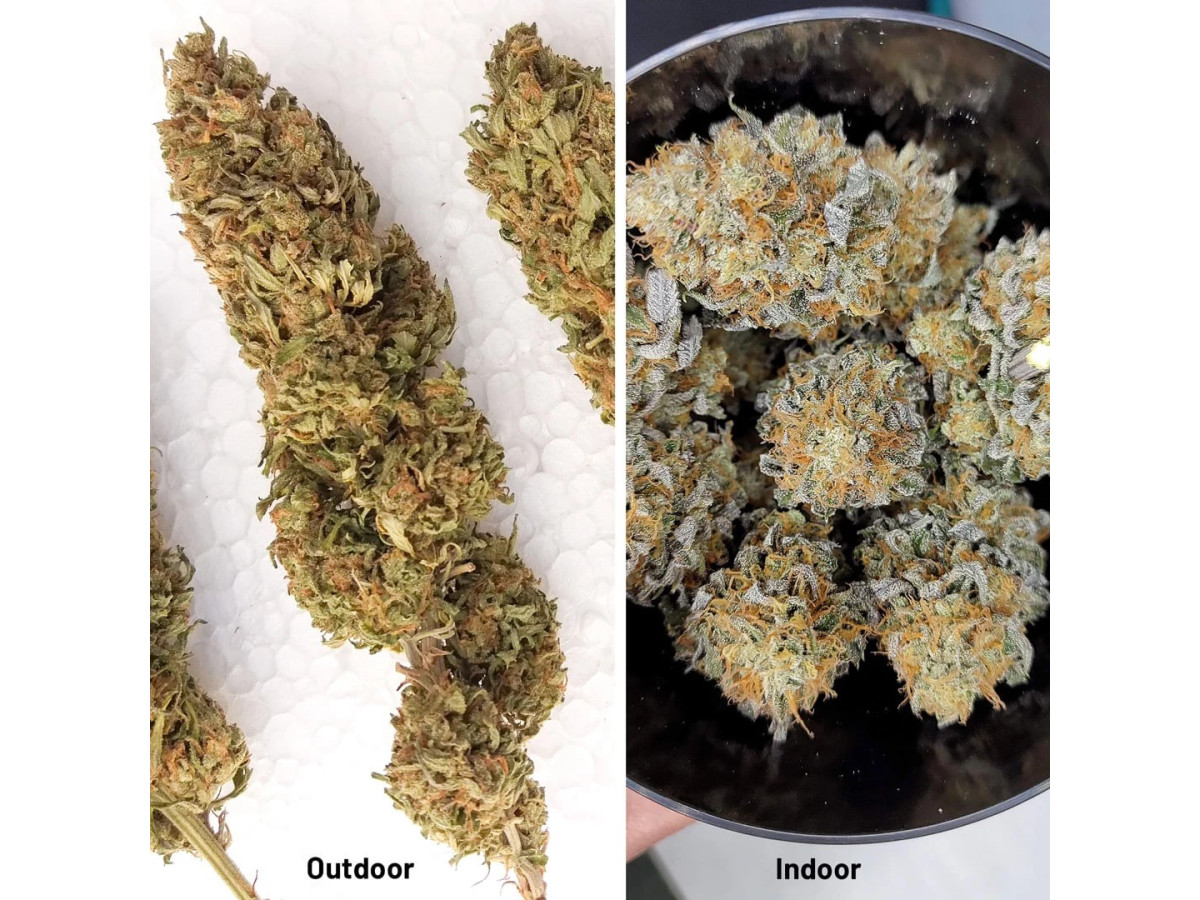
Indoor vs. Outdoor: The Ultimate Guide to Choosing Your Cultivation Method
Updated: December 2025 | By: Editorial Board of Agronomic Experts
Choosing between indoor and outdoor cultivation is more than just picking a location—it’s choosing a growing philosophy. In this article, we break down the deep nuances of each method so you can make an informed decision.
1. Indoor: Laboratory Precision
Growing indoors allows the grower to play "God," fully controlling every aspect of the plant's life. This is the modern standard for achieving premium, connoisseur-grade quality.
[Image: High-tech grow tent with full-spectrum LED lighting and flowering plants]Indoor Variations:
- Soil Mixes: The classic choice, forgiving for beginners due to the soil's natural buffering capacity.
- Hydroponics (DWC, NFT): Growing in a nutrient solution. Offers explosive growth and massive yields but requires perfect control over pH and EC levels.
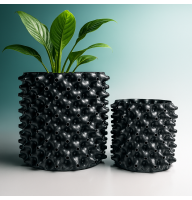
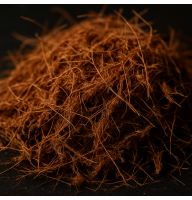
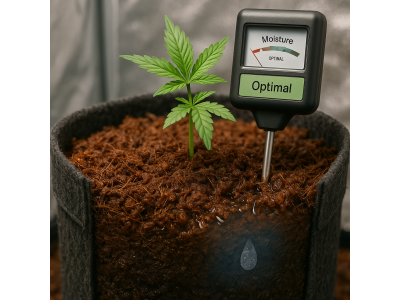
- Coco Coir: The "golden mean" between soil and hydroponics, providing excellent aeration. We recommend Plagron Coco-mix! and Pot
Pros:
- Maximum Genetic Potential: The plant doesn't waste energy fighting wind or cold, instead focusing entirely on resin production.
- Security and Privacy: Modern carbon filters completely eliminate odor, while enclosed tents keep the garden out of sight.
- No Seasonality: You can start a cycle any day of the year, regardless of the weather outside.
Cons:
- Operational Expenses: High electricity bills (lights run 12–18 hours a day).
- Technical Risks: Potential failures in timers, ventilation, or leaks in hydroponic systems.
- Height Restrictions: Many Sativa strains are difficult to manage in tents due to their vertical stretch.
2. Outdoor: The Power of Nature
Outdoor growing is for those who value naturalness and scale. Here, plants can reveal their true morphology, turning into literal trees.
[Image: Large cannabis bush in open soil at sunset]Outdoor Variations:
- Open Soil: Direct planting in the ground. Maximum size potential but minimum control.
- Greenhouse: A hybrid method. The greenhouse protects from rain and wind while utilizing free sunlight.
- Guerrilla Growing: Cultivating in wild, hidden locations. Minimum cost, but a high risk of losing the harvest.
Pros:
- Free Resources: Sunlight provides the best spectrum for plants and costs nothing.
- Grandiosity of Yields: A single outdoor plant can yield as much as an entire indoor grow room (up to 1–2 kg dry).
- Eco-Friendly: Sun-grown products often possess a more complex "terroir" and aromatic profile.
Cons:
- Pests and Diseases: Slugs, caterpillars, mold, and powdery mildew are constant challenges outdoors.
- Unpredictability: Hail or early frosts in September can ruin months of hard work.
- Detection Risk: Large plants are difficult to hide from neighbors or passersby.
Comparison Summary Table
| Criteria | Indoor | Outdoor |
|---|---|---|
| Initial Investment | High ($300 to $2000+) | Low ($50–$200 for seeds & nutrients) |
| Environmental Control | Full (Temp, Humidity, CO2) | None (Weather dependent) |
| Growth Speed | Fast (especially in Hydro) | Dependent on daylight cycles |
| Flower Quality | Dense, highly resinous, clean | Airier, potential dust/seeds |
| Maintenance | Daily monitoring required | Periodic visits/watering |
Essential Equipment List for Indoor Growing
To start successfully indoors, you will need a basic setup to sustain plant life:
Lighting (The Heart of the System):
- LED Panels (Full Spectrum): The best modern choice (Quantum Boards or Samsung/Osram chip models).
- HPS (High-Pressure Sodium): The classic choice. Cheaper to buy, but runs very hot and consumes more power.
- Timer: Digital or mechanical to automate light cycles (18/6 or 12/12).
Ventilation and Filtration:
- Inline Duct Fan: For exhausting hot air and creating negative pressure.
- Carbon Filter: Critical for neutralizing odor during the flowering stage.
- Oscillating Fan: For internal airflow (strengthens stems and prevents mold).
Environment and Monitoring:
- Grow Tent: A dedicated space with reflective Mylar lining.
- pH and TDS Meters: Tools to measure water acidity and nutrient concentration.
- Thermo-hygrometer: To monitor temperature and humidity levels.
- Fabric Pots (Air-pots): Ensure "air-pruning" of roots and prevent root rot.
Expert Verdict: If your goal is a guaranteed result and "pharmacy-grade" quality, choose Indoor. If you want a massive harvest with minimal investment and are willing to accept risks—Outdoor is your choice. Many pros use a hybrid approach: starting seedlings indoors in March, then transplanting strong plants under the sun in June.
Write a comment