
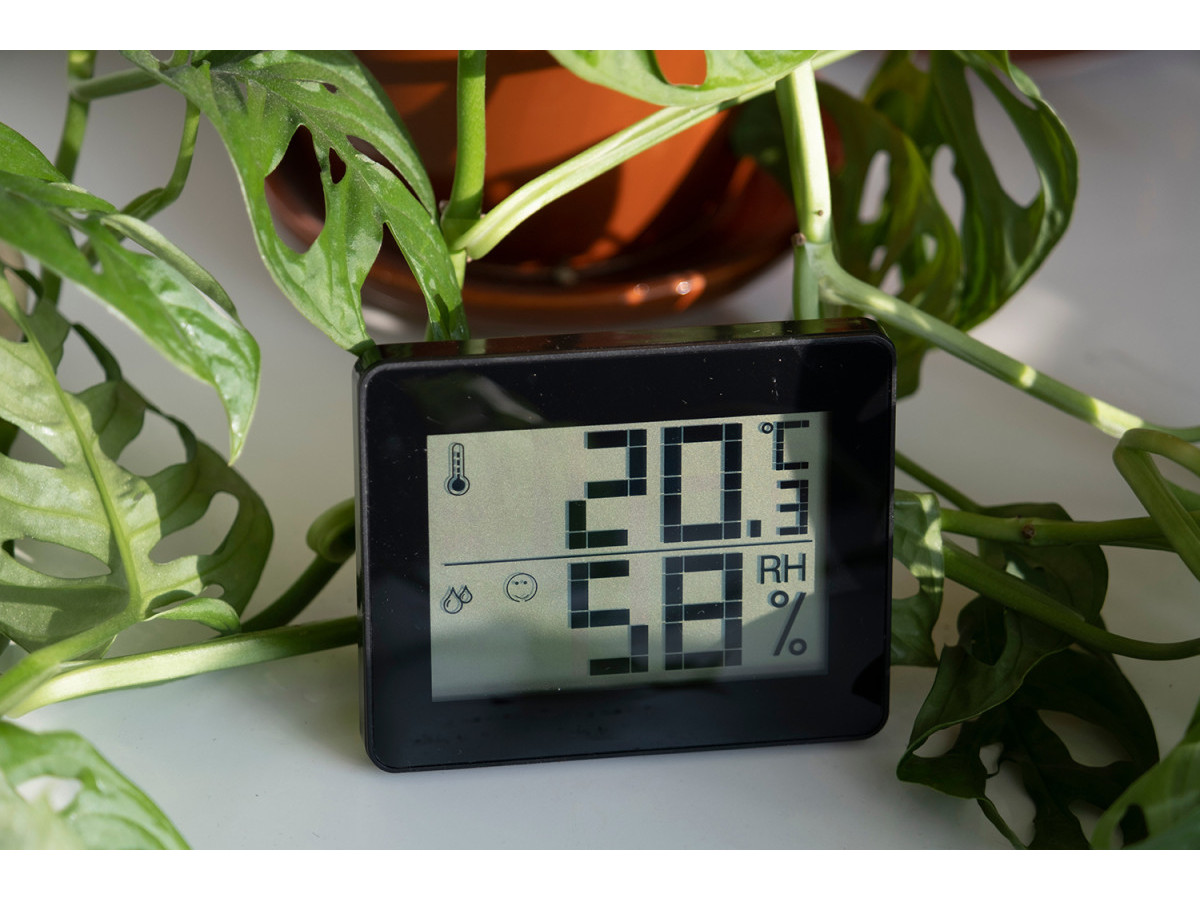
Ideal Climate: Temperature and Humidity in a Cannabis Grow Tent
Growing in a grow tent (indoor) allows you to play the role of nature itself. You control the sun (lights), the rain (watering), and the wind (ventilation). However, the two most critical factors that beginners often underestimate are temperature and humidity.
Balancing these metrics is the key to dense buds, mold protection, and maximum yield. In this guide, we will break down the ideal parameters for each stage of growth.
1. Understanding VPD (Vapor Pressure Deficit)
Before talking about numbers, you need to understand the relationship between temperature and humidity. This is called VPD (Vapor Pressure Deficit).
Plants "breathe" and transpire water through their leaves. If the air is too dry, the plant closes its stomata to conserve moisture (growth slows down). If the air is too humid, evaporation is impossible, and nutrients stop moving from the roots to the top.
Expert Tip: Your goal is not just to hit the "right temperature," but to create the correct VPD balance. It differs for vegetation compared to flowering.
2. Climate Parameters by Growth Stage
Plant needs change as they mature. Here is the "gold standard" for indoor growing.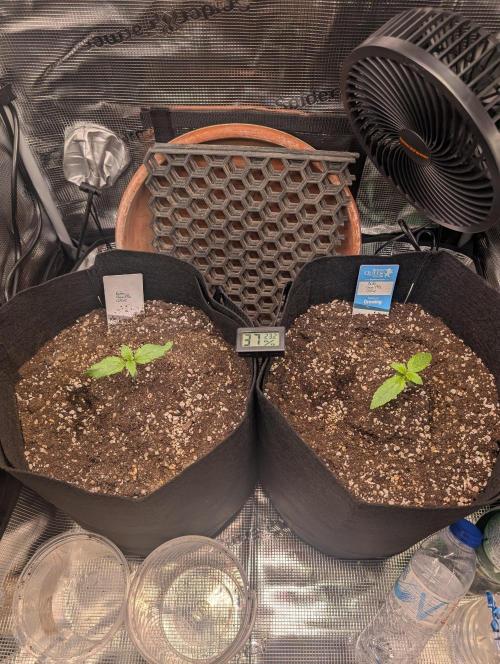
🌱 Seedling and Cloning Stage (Weeks 1-2)
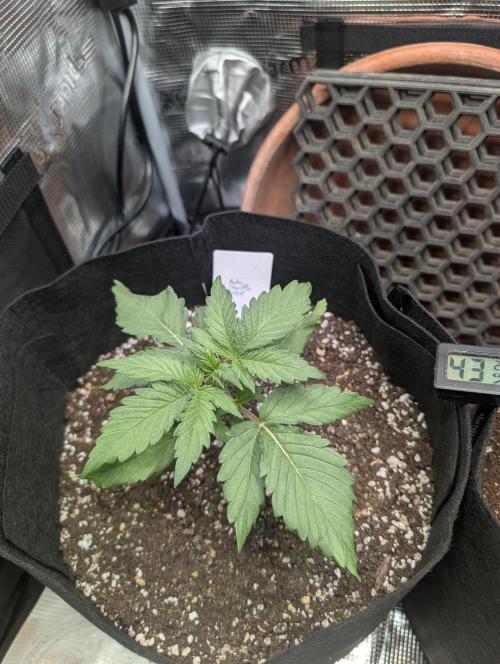
Young sprouts have a weak root system. They drink water mainly through their leaves, so they need high humidity, like in a jungle.
- Temperature (Day): 24°C – 27°C
- Temperature (Night): 20°C – 24°C
- Humidity (RH): 65% – 75% (Use a humidity dome for clones)
🌿 Vegetative Stage (Weeks 3-4 until Flowering)
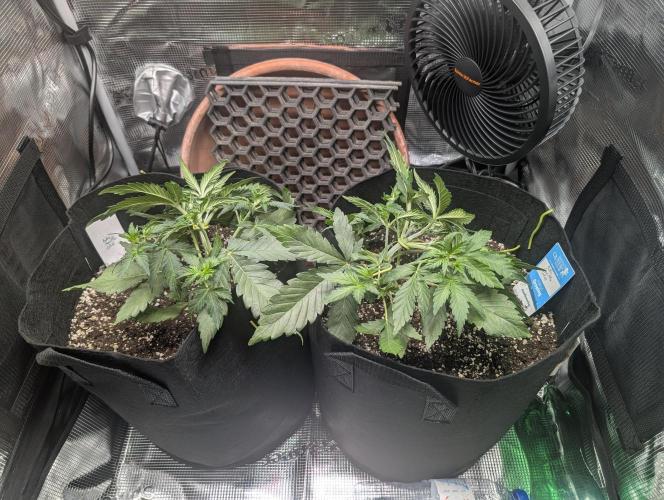
The plant actively gains green mass. Roots are already strong, so humidity can be slightly lowered to stimulate transpiration (metabolism).
- Temperature (Day): 22°C – 28°C
- Temperature (Night): 18°C – 23°C
- Humidity (RH): 45% – 60%
Experience Tip: During vegetation, cannabis loves warmth. If you use LED lights, keep the temperature closer to 27-28°C, as LEDs do not provide as much infrared heat to the leaf surface as HPS lights.
🌸 Flowering Stage (Early to Mid)
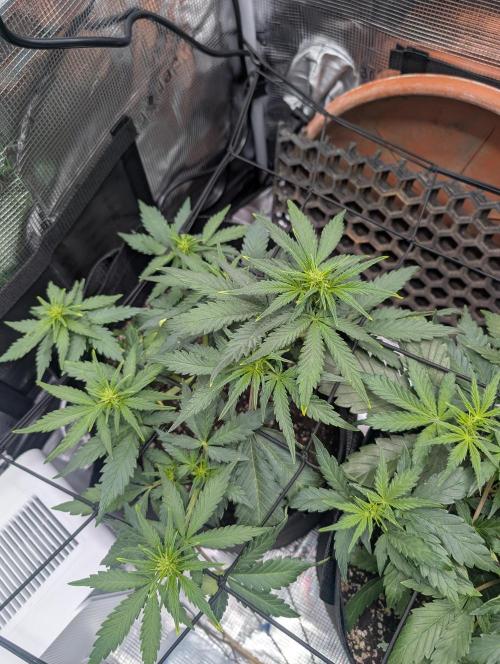
When the first buds appear, the risk of mold increases. Humidity needs to be lowered.
- Temperature (Day): 20°C – 26°C
- Temperature (Night): 18°C – 23°C
- Humidity (RH): 40% – 50%
❄️ Late Flowering (Last 2 Weeks)
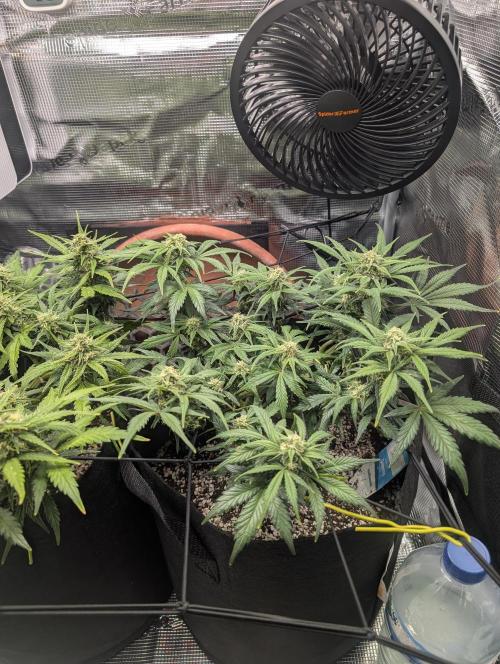
A critical moment. Dense buds are very vulnerable to rot (Botrytis). Dry the air as much as possible. A slight drop in temperature will help bring out colors (purple hues) and increase resin production.
- Temperature (Day): 18°C – 24°C
- Temperature (Night): 15°C – 20°C (Simulating autumn)
- Humidity (RH): 30% – 40%
3. Summary Parameter Table
| Stage | Temperature (Day) | Temperature (Night) | Humidity (RH) |
|---|---|---|---|
| Seedling/Clones | 24°C – 27°C | 20°C – 24°C | 65% – 75% |
| Vegetation | 22°C – 28°C | 18°C – 23°C | 45% – 60% |
| Flowering | 20°C – 26°C | 18°C – 23°C | 40% – 50% |
| Finish | 18°C – 24°C | 15°C – 20°C | 30% – 40% |
4. How to Manage Climate: Tools
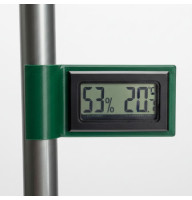
- Thermohygrometer: Must have a remote sensor. Place the sensor at the canopy level.
- Exhaust Fan: The main cooling tool.
- Humidifier: Critical during vegetation, especially in winter.
- Dehumidifier: Saves the crop from mold during the flowering stage.
- Oscillating Fans: Circulate air to prevent stagnation.
About the Author and Disclaimer
Expertise: This material is based on years of experience studying indoor horticulture and modern growing techniques.
Safety: Working with electrical equipment in high humidity conditions requires adherence to fire safety rules. Always ground your equipment.
Note: This article is for informational purposes only.
Write a comment