
Cannabis Tolerance: How to Reduce and Restore Your Tolerance?
Have you noticed that over time, the effect of cannabis becomes less pronounced? What used to cause deep relaxation or a creative boost now barely registers. This phenomenon is called tolerance — a natural reaction of the body to regular use.
Tolerance not only affects the strength of cannabis's effects but can also change your habits and attitude toward it. However, it's not a dead end! Reducing tolerance not only restores the desired effect but also helps you better understand your own body and enjoy cannabis in a new way.
In this article, we'll break down why cannabis tolerance develops, how to overcome it, and what to do to prevent it from returning. This is your key to restoring balance and more mindful cannabis consumption.
What is Cannabis Tolerance
Cannabis tolerance is a natural process where the body gradually loses sensitivity to the effects of cannabinoids like THC and CBD. In simple terms, it means that over time, you need more cannabis to achieve the desired effect.
In slang, this state is often called “toler.” Phrases like “raise toler” or “drop toler” are used in cannabis consumer circles to describe how sensitive a person is to its effects and what measures they take to manage this state.
How Cannabis Tolerance Works
Mechanism of Action of Cannabinoids on CB1 and CB2 Receptors
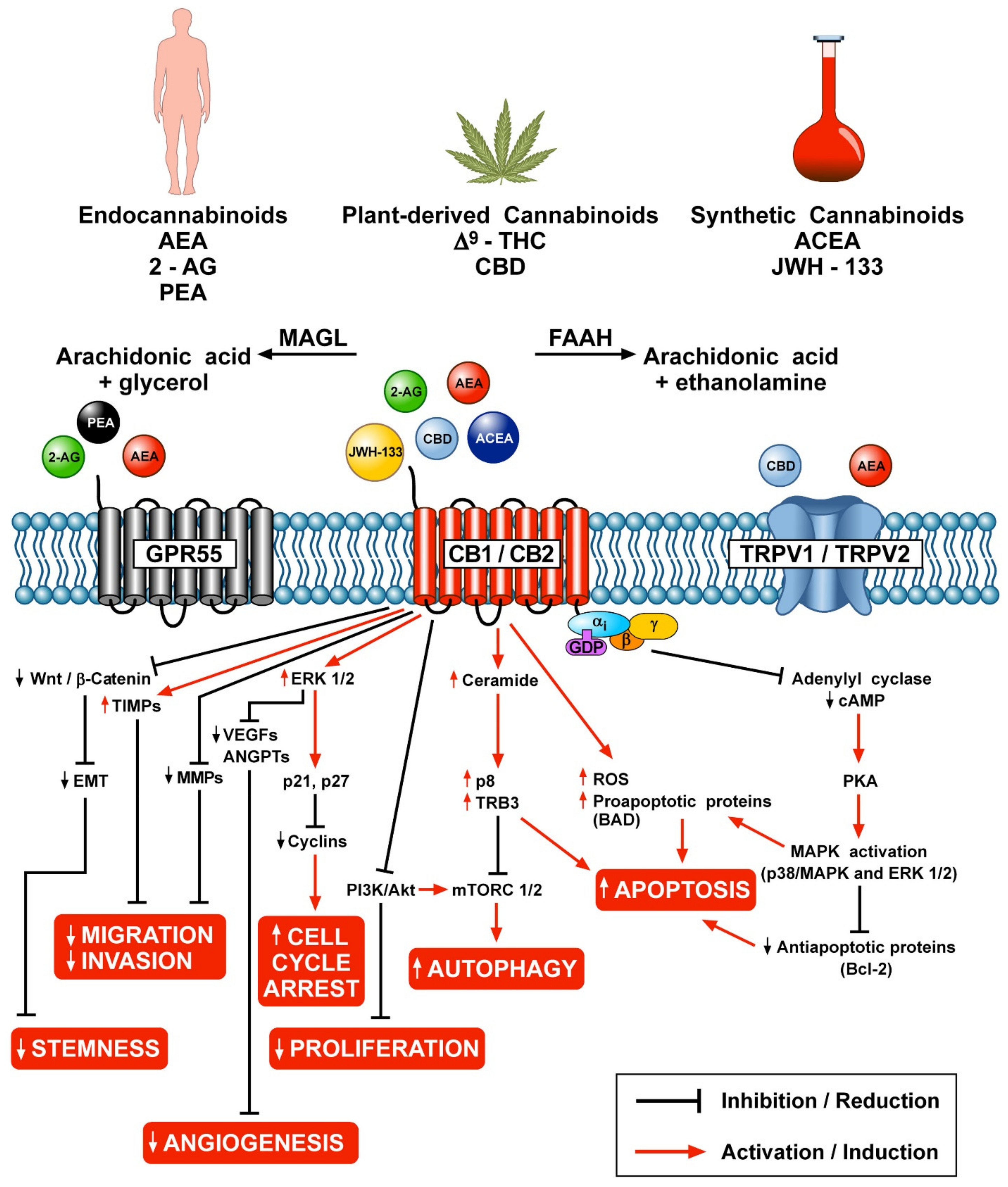
Mechanism of action of cannabinoids on CB1 and CB2 receptors
Cannabinoids, such as THC, interact with the body's endocannabinoid system, particularly with CB1 and CB2 receptors.
- CB1 receptors are located in the brain and central nervous system. They are responsible for the psychoactive effects of THC, such as euphoria, relaxation, or mood changes.
- CB2 receptors are primarily in the immune system and influence inflammatory processes and pain.
With regular cannabis use, CB1 receptors gradually lose sensitivity to THC. This process is called desensitization or adaptation. The receptors become less active or may even temporarily “hide” to reduce the impact of cannabinoids.
Why Regular Use Reduces Receptor Sensitivity
When you use cannabis frequently and in large amounts, the body starts adapting to the constant influx of cannabinoids. This is a natural protective mechanism:
- Reduction in the number of active CB1 receptors.
- Decreased sensitivity of receptors to THC.
- Changes in the brain's neurochemical balance.
As a result, the effects of cannabis become less pronounced, and higher doses are needed to achieve the same result. Understanding the mechanisms of tolerance helps better manage cannabis consumption and avoid situations where increasing the dose becomes the only way to achieve the desired effect.
Methods to Reduce Cannabis Tolerance
For those who want to restore the desired effects of cannabis, there are several effective ways to reduce cannabis tolerance. Below are proven methods that will help you do this efficiently.
Break from Use (T-Break)
What is a T-Break and How to Organize It Properly?
T-Break (tolerance break) is a break from cannabis use that allows CB1 receptors to restore their sensitivity. During this time, the body clears itself of cannabinoids, reducing tolerance.
How to Start a Cannabis Break:
- Plan the break in advance, choosing a time when you can avoid triggers and situations that provoke use.
- Maintain hydration and healthy eating.
Recommended Break Duration for Different Levels of Use:
- Light use (1-2 times a week): break of 5-7 days.
- Moderate use (3-5 times a week): break of 10-14 days.
- Regular use (daily): 2-4 weeks for noticeable effect.
Reducing Dosage to Restore Cannabis Tolerance

Reducing cannabis tolerance
Benefits of Using Smaller Amounts of Cannabis:
- Reduces the load on the endocannabinoid system.
- Helps avoid a full T-Break while still reducing cannabis tolerance.
How to Gradually Reduce Dosage:
- Start with a 10-20% reduction from your usual amount of cannabis.
- Over time, reduce the dose by 5-10% every few days.
- Try microdosing: using the minimal dose for a noticeable but mild effect.
Alternating Different Products and Consumption Methods
Why Changing the Form of Cannabis Helps?
Each consumption method (smoking, vaping, edibles) affects the body differently. Changing the method of consumption gives receptors a chance to adapt to new conditions.
- Switch from flowers to concentrates or vice versa.
- Try new forms of cannabis, such as oils, tinctures, or capsules.
Using Strains with Different THC to CBD Ratios:
- Strains with higher CBD content can weaken the impact of THC, reducing the risk of increasing tolerance.
- A 1:1 THC to CBD ratio is suitable for a mild effect without overstimulating receptors.
Using Strains with Low THC Content
How CBD Helps Maintain Effect and Avoid Tolerance?
- CBD does not cause psychoactive effects but can modulate the action of THC.
- Strains with low THC and high CBD (e.g., Harlequin or Cannatonic) help preserve therapeutic properties without a strong “high.”
Restoring Balance in the Body:
- Add foods rich in omega-3 fatty acids to your diet, which support the health of the endocannabinoid system.
- Regular physical activity stimulates the natural production of endocannabinoids, helping reduce dependence on external cannabinoids.
These methods not only reduce cannabis tolerance but also help you better understand your own needs in cannabis use. Remember, your experience is individual, and finding the right approach is a process of experimentation and analysis.
Cannabis Tolerance: Physical and Psychological Strategies

Girl meditating in a cannabis field
For effective reduction of cannabis tolerance, it's important to approach the issue comprehensively. Combining physical methods with psychological support helps achieve the best results.
Body Detoxification
Clearing the body of accumulated cannabinoids helps accelerate the process of reducing tolerance.
Water and Proper Nutrition:
- Drink more water: Water promotes toxin elimination and supports normal body function.
- Healthy diet: Eat more fruits, vegetables, whole grains, and lean protein.
Role of Antioxidants and Vitamins:
- Antioxidants (vitamins C, E) neutralize free radicals and promote cell recovery.
- Antioxidant-rich foods: Blueberries, spinach, green tea, nuts, citrus fruits.
- Omega-3 fatty acids support the health of the endocannabinoid system.
Physical Activity:
- Regular exercise speeds up metabolism, promoting faster elimination of cannabinoids.
- Cardio workouts (running, swimming, cycling) help activate metabolic processes.
Meditation and Mindfulness
Cannabis tolerance isn't always just about physiology; psychological habits also play a key role.
How Controlling Thoughts Helps Reduce Psychological Dependence:
- Meditation helps focus on the present moment, reducing anxiety and the desire to use.
- Mindfulness helps recognize triggers and form healthy habits.
Mindfulness Practice During a Cannabis Break:
- Breathing exercises: Regular deep breathing reduces stress and improves concentration.
- Mindfulness meditation: Find a quiet place, close your eyes, and focus on your breathing, observing thoughts without judging them.
- Mindfulness journal: Record your emotions, triggers, and reasons for using cannabis. This will help you better understand your needs.
Combining physical and psychological strategies not only helps reduce cannabis tolerance but also lays the foundation for a healthy and balanced attitude toward cannabis use.
Recommendations for Restoring Tolerance
Restoring cannabis tolerance
To avoid the repeated development of tolerance, it's important to follow a set of rules that will help maintain receptor sensitivity and ensure a stable therapeutic or recreational effect.
How to Prevent Rapid Development of Tolerance in the Future
-
Stick to Dosage:
- Use the minimal effective dose to achieve the desired effect.
- Avoid the habit of increasing the amount consumed, even if the effect seems weaker.
-
Alternate Strains and Forms of Cannabis:
- Use the best cannabis strains with different THC and CBD ratios.
- Try changing consumption methods (e.g., vaping instead of smoking or capsules instead of oil).
-
Control Frequency of Use:
- Avoid daily use without breaks. Even a few days without cannabis can significantly reduce cannabis tolerance.
- Add “cannabis-free” days to your routine.
-
Listen to Your Body:
- Pay attention to how your body reacts to cannabis. If the effect weakens, it's a signal to review dosage or take a break.
Importance of Responsible Cannabis Use
- Balance between Therapy and Recreation: Cannabis, like any other substance, should be used with an understanding of its impact on the body and mind.
- Avoid Excessive Use: Overuse not only reduces cannabis effectiveness but can also cause unwanted side effects, such as irritability or increased anxiety.
- Taking Pauses: Breaks from cannabis use are not a rejection but a way to maintain its effectiveness in the long term.
Regular Breaks as Part of a Healthy Routine
-
Incorporate T-Break into Your Schedule:
- Plan breaks in advance, for example, every 1-2 months.
- Even a short break of 3-7 days can significantly reduce cannabis tolerance.
-
Make Breaks Comfortable:
- During pauses, engage in activities that help relax and improve mood, such as sports, yoga, or meditation.
- Involve alternatives for stress relief, such as herbal teas or aromatherapy.
-
Long-Term Strategy:
- Breaks should become a regular part of your life. This not only helps preserve cannabis effectiveness but also supports your overall health.
Maintaining cannabis effectiveness depends on your approach to its use. Responsible attitude, regular breaks, and moderation will help you get the maximum benefit from cannabis without the risk of developing high tolerance.
Questions and Answers (FAQ)
Is It Necessary to Stop Using Completely?
Not necessarily. If you're not ready to stop completely, you can start by reducing dosage or frequency of use. Even a few “free days” a week can help reduce cannabis tolerance. However, a full break (T-Break) is the most effective way to restore receptor sensitivity.
How Long Do CB1 Receptors Take to Recover?
Recovery time depends on the level of tolerance and individual body characteristics.
- On average, 2-4 weeks of break is enough to restore CB1 receptor sensitivity.
- For noticeable results, even 5-7 days may suffice in some cases.
- People with high tolerance (long-term and frequent use) may need a longer period – up to 30 days.
Do Alternatives Like Dietary Supplements or Exercise Work?
Yes, they can be useful for supporting the recovery process:
-
Dietary Supplements:
- Omega-3 fatty acids support the health of the endocannabinoid system.
- Antioxidants (vitamins C, E) help neutralize free radicals that can affect receptors.
- Magnesium and vitamin D promote nervous stability and overall recovery.
-
Physical Activity: Exercise increases anandamide levels – a natural endocannabinoid that activates the same receptors as cannabinoids. Regular workouts improve circulation, helping clear the body of THC residues.
-
Meditation and Mindfulness: Mindfulness practices reduce psychological dependence and promote psycho-emotional balance recovery.
-
Detoxification: Increased water intake and healthy nutrition promote faster elimination of THC residues from the body.
These methods are useful auxiliary tools that, combined with a break from use, ensure effective reduction of tolerance.
Conclusion
Cannabis tolerance is a natural process that occurs with regular use, but it can be effectively controlled. A responsible approach to consumption, including breaks, changing dosage and consumption methods, helps maintain the desired effect and prevents dependence.
Cannabis can be beneficial for many if used with caution and awareness. Remember, maintaining a healthy balance between use and breaks is the key to long-term satisfaction and benefit.
Be attentive to your body, follow a responsible approach, and enjoy the effects of cannabis without harming your health!

Write a comment